

- This event has passed.
Sacpa – Understanding and responding to domestic abuse

- Date: January 11, 2023
- Time: 13:30 – 15:30
- Cost: Sacpa Full Member – £100, Non-member – £200
- Audience: All pastoral support workers, safeguarding practitioners and leaders working with children and young people who may suffer hidden harms as a result of witnessing or being subjected to domestic abuse.
- Platform: Zoom (online) – Seminar
How many children and young people do you work with who are suffering hidden harm due to domestic abuse and other harms such as parental substance misuse and unsupported mental ill health?
We know that the recent pandemic showed significant increases in domestic abuse and current estimates suggest that one in five children suffer harm because of witnessing domestic abuse.
This seminar refreshes the who, what, when, where and why of domestic abuse, highlights impacts on adult victims and children through their exposure. How to signpost victims to the right protective services , and how to understand the impact on children and young people; including helpful interventions that aid recovery.
Training topics will include:
- The who, what, when, where and why of domestic abuse
- Domestic abuse in intimate relationships between 16- and 18-year-olds
- The impact of domestic abuse on survivors and children subject to hidden harms
- Working with victims: disclosure of children through preventative education, immediate safety planning, assessment, signposting
- Understanding non-molestation and restraining orders, IDVA and CIDVA services
- Creating pastoral and early help interventions that support recovery
Learning outcomes:
- Delegates will refresh their understanding of various forms of domestic abuse including between 16- and 18-year-olds in intimate personal relationships
- Delegates will enhance their understanding of the impact of domestic abuse and hidden harm created for children and young people in their care
- Delegates will explore the key elements of best practice in working with victims of domestic abuse and some of the measures and specialist services available
- Delegates will have the opportunity to consider what pastoral and early help support interventions may aid recovery and promote wellbeing in children and young people affected by hidden harms.
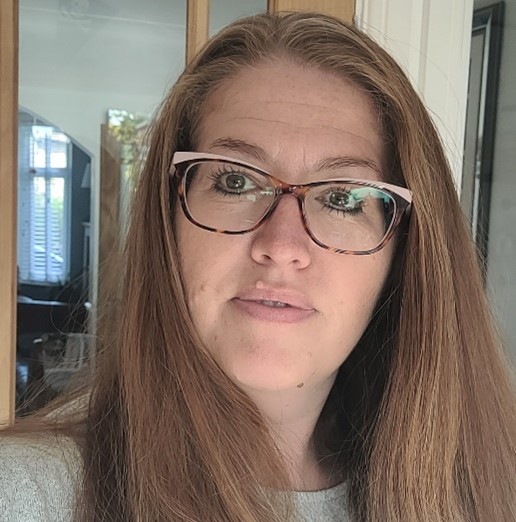
 Speaker: Beckie Richards, Safer Together
Beckie has an extensive professional background as a lead practitioner and service manager working with children and young people and adults in a wide range of settings. After spending time working with adults affected by substance misuse, Beckie went on to work with vulnerable children and young people affected by substance misuse and domestic abuse and became pivotal in the development of the hidden harm service for all Compass services, re-establishing pathways with local mental health teams and developing her practice reflections on the prevalence and co-occurring theme of trauma.
Beckie believes that every child and young person has the right to feel safe and this led to her current role as Trauma Informed Practice Educator for the West Midlands Vanguard Project 2021 – 2024.
Beckie quotes – ‘I am now fortunate that within my current role as Trauma Informed Recovery Support (TIRS) Practice Educator that I can `flex my wings’ within the world of trauma informed practice. This has given me the opportunity to pursue important work in professional challenge of victim blaming and shaming narratives. This is crucial to drive improved safeguarding and wellbeing practice, and in supporting organisations to develop their knowledge of trauma and adversity.
My aim is to improve the lives and outcomes of children and young people who have experienced complex trauma and adversity. This is a multi-faceted aim, and one which requires a strategic leadership, role modelling, supporting, mentoring and assessing safeguarding practitioners; and a true passion for delivering outcomes for people affected by trauma and those who support them.